Propaganda or Truth Telling?
By Dr. Brian Simmons
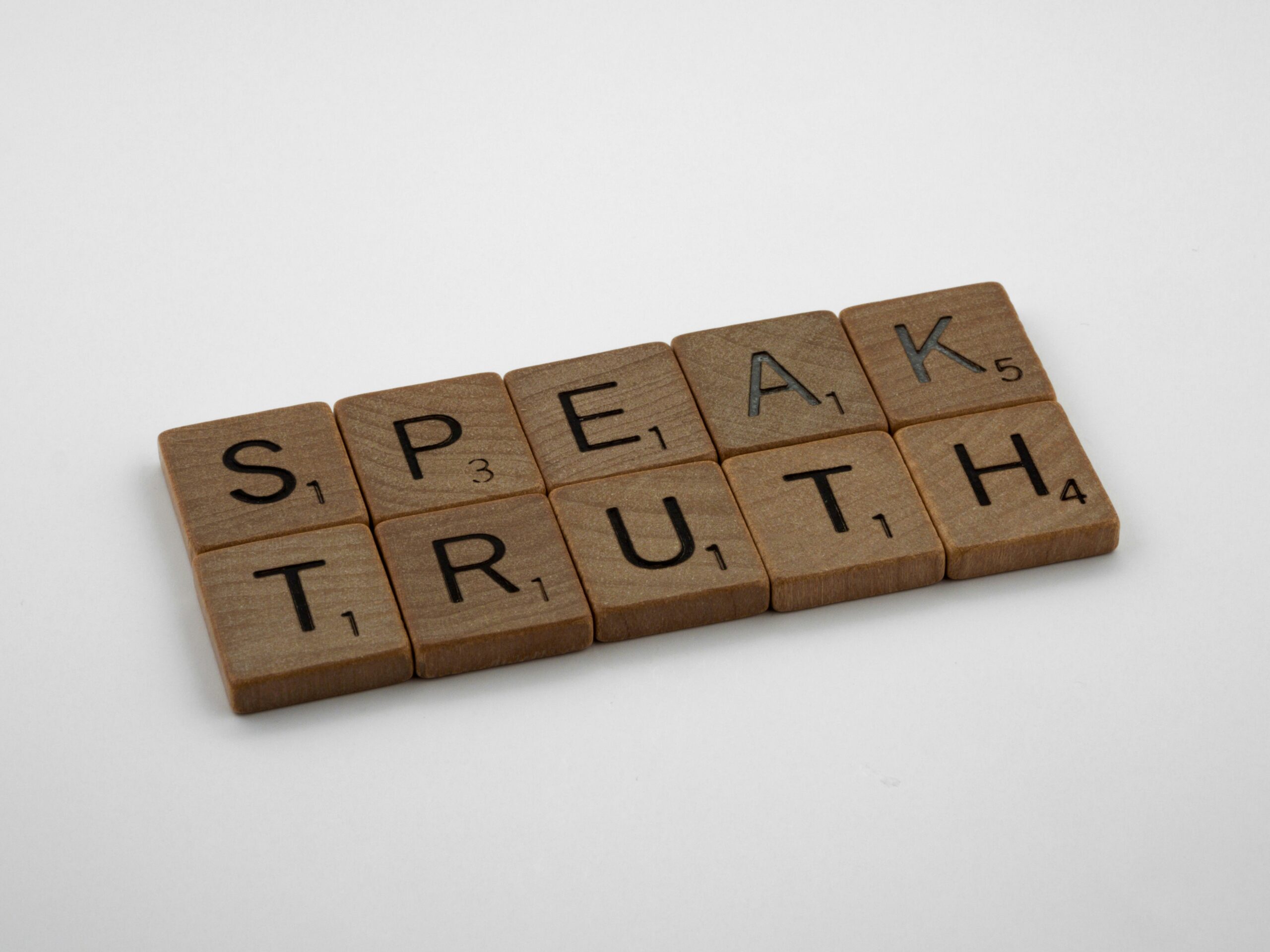
Photo by Brett Jordan on Unsplash
I know of a Christian organization that publishes a XYZ Today magazine for stakeholders. In a recent article a new Vice President was introduced. In preparation for the article, the VP was asked to name a person or two who was influential in his life. The media director called the mentor and included as a key component of the article details of the strong and loving relationship the VP and mentor share to this day.
The organization president does not like the mentor and has left a trial of broken relationships through the years including the one between him and the mentor in the story. But, the VPs story is his story! It is the truth! And the truth was withheld! Core values of this Christian organization and core guiding philosophies were violated by this misleading story.
Well, the president instructed the writer to replace the mentor’s name with the name of another employee who has been marginally impactful in the life of the VP and even less impactful in the department of the organization the VP leads. The article had the same flow only the names were exchanged! Partial truth is not the truth when it is written to mislead others. This story tore down trust and displayed a lack of integrity for all to see.
This is propaganda and not truth telling!
Propaganda is information—often biased or misleading—that is spread to influence people’s opinions, emotions, or actions toward a particular cause, ideology, or point of view.
It’s commonly used in organizational communication to shape public perception or behavior.
Key Features of Propaganda:
- Biased or one-sided: It presents only certain facts (or distorts them) to support a specific agenda.
- Emotional appeal: It often uses strong emotions—like spirituality, fear, pride, anger, or hope—to persuade rather than logic or evidence.
- Mass communication: It’s spread through media such as newsletters, letters from the organization’s president, organization magazines, posters, social media, news, films, or speeches.
- Goal-oriented: The main goal is to convince or control how people think or act, and not to inform of the truth.
Truth-telling means communicating facts, thoughts, or feelings honestly and accurately, without intentionally misleading or withholding important information.
It’s a core value in ethics, journalism, relationships, medicine, law, and leadership, because it builds trust, accountability, and integrity.
Key Aspects of Truth-Telling:
- Honesty: Saying what you believe to be true, not what is convenient or manipulative.
- Accuracy: Making sure your statements are based on facts or reliable evidence.
- Transparency: Sharing relevant information openly, especially when others rely on it to make decisions.
- Integrity: Staying truthful even when it’s difficult or when lying might be easier or more beneficial.
To summarize, as steward leaders we should be committed to truth telling and not propaganda! Be honest. Be accurate. Be transparent. And be a steward leader full of integrity. When we succumb to propaganda in the words of a colleague… it is “very, very, very sad.”